
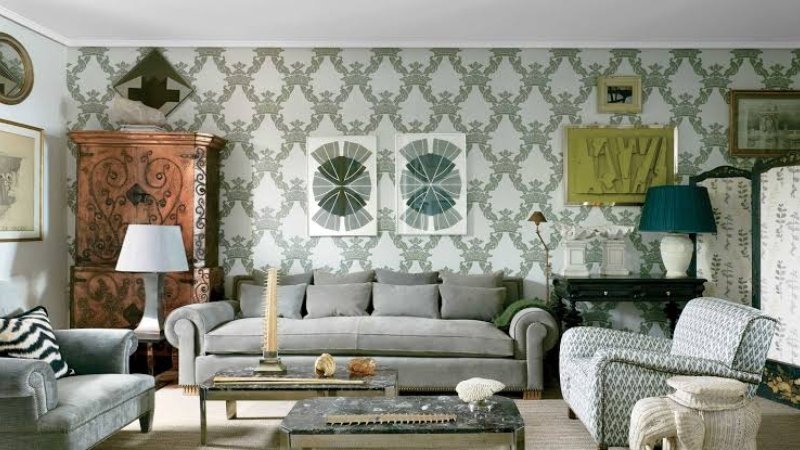
Modern interior design is deeply influenced by the selection of materials that define comfort, functionality, and visual appeal within a space. Among these, Upholstered materials hold a central position due to their ability to transform simple furniture into comfortable, aesthetically engaging pieces. Upholstery refers to the process of covering furniture with fabric, foam, padding, or other materials to enhance both comfort and appearance.
In contemporary interiors—whether residential, commercial, or hospitality spaces—upholstered elements such as sofas, chairs, headboards, and wall panels play a key role in shaping user experience. Beyond aesthetics, they also contribute to ergonomics, acoustic control, and psychological comfort. The increasing demand for stylish yet functional interiors has further expanded the use of upholstered materials in innovative ways.
Evolution of Upholstery in Contemporary Spaces
The concept of upholstery has evolved significantly over centuries. Traditionally, it was limited to royal and elite furniture, where natural materials such as cotton, wool, and horsehair were used for padding and covering. Over time, industrialization introduced synthetic fibers and advanced manufacturing techniques, making upholstered furniture more accessible to the general public.
In modern interior spaces, upholstery has shifted from being purely functional to a combination of art and engineering. Designers now experiment with textures, patterns, and hybrid materials to create unique visual identities. The evolution has also been influenced by technological advancements such as fire-resistant fabrics, stain-proof coatings, and memory foams.
Today, upholstered design is not only about comfort but also about expressing lifestyle, cultural identity, and architectural harmony.
Types of Upholstered Materials Used in Modern Interiors
A wide variety of materials are used in upholstery, each offering distinct characteristics:
- Natural Fabrics: Cotton, linen, wool, and silk are widely used for their softness and breathability.
- Leather and Faux Leather: Known for durability and luxury appeal, commonly used in premium furniture.
- Synthetic Fabrics: Polyester, nylon, and acrylic are popular for their affordability and wear resistance.
- Foam and Padding Materials: High-density foam, memory foam, and latex provide structural comfort and support.
- Blended Fabrics: A combination of natural and synthetic fibers for balanced performance.
Each category of upholstered material is selected based on the functional needs and aesthetic goals of a space. For example, hospitality environments prioritize durability, while residential interiors often focus on comfort and texture.
Material Properties and Performance Characteristics
The performance of upholstery depends on several key material properties. Durability is one of the most important factors, as furniture is subjected to constant use. High-quality fabrics resist tearing, fading, and deformation over time.
Comfort is another critical characteristic, achieved through proper cushioning and fabric selection. Breathability also plays a role, especially in warm climates, where air circulation prevents discomfort.
Maintenance and cleaning requirements further define material suitability. Some fabrics are stain-resistant and easy to clean, while others require professional care. Additionally, elasticity and resilience ensure that upholstered surfaces retain their shape even after prolonged use.
These combined properties determine how well a material performs in different interior environments.
Aesthetic Contribution of Upholstered Materials
Interior aesthetics are significantly influenced by the visual and tactile qualities of furniture surfaces. Textures, colors, and patterns of upholstered elements help create mood and character within a space.
Soft fabrics add warmth and coziness, while sleek leather finishes create a sophisticated, modern feel. Designers often use upholstery as a focal point to highlight specific areas within a room, such as accent chairs or feature walls.
Color psychology also plays a role in material selection. Neutral tones promote calmness and minimalism, whereas bold colors add energy and vibrancy. The flexibility of upholstered design allows endless customization, making it a powerful tool in interior styling.
Functional Role of Upholstery in Modern Living Spaces
Beyond aesthetics, upholstered elements provide essential functional benefits. They enhance seating comfort by distributing body weight evenly, reducing pressure points, and supporting posture.
Acoustic improvement is another major advantage. Soft surfaces absorb sound, reducing echo and noise levels in enclosed spaces such as offices, cinemas, and living rooms. This creates a more peaceful and productive environment.
In this context, Upholstered furniture is not just decorative but also contributes to physical well-being and environmental comfort. It bridges the gap between design and human-centered functionality, making it essential in modern architectural planning.
Sustainability and Eco-Friendly Upholstered Materials
Sustainability has become a major concern in interior design and manufacturing industries. Eco-friendly upholstery options are gaining popularity due to increasing environmental awareness.
Manufacturers are now using recycled fabrics, organic cotton, and biodegradable foams to reduce environmental impact. Water-based adhesives and non-toxic dyes further contribute to sustainable production processes.
Additionally, the concept of circular design encourages reuse and recycling of furniture components. This reduces waste and promotes long-term environmental responsibility.
Sustainable upholstery not only benefits the planet but also enhances indoor air quality and user health by minimizing exposure to harmful chemicals.
Factors Influencing Selection of Upholstered Materials
Choosing the right upholstery depends on multiple factors, including usage, budget, and environmental conditions. High-traffic areas require durable and stain-resistant materials, while luxury spaces may prioritize appearance and texture over practicality.
Lifestyle also plays a key role. Households with children or pets often prefer easy-to-clean, durable fabrics. Climate conditions also influence material selection, as humidity and temperature can affect fabric longevity.
Design compatibility is equally important. The selected material must align with overall interior themes, architectural style, and color palette. In this decision-making process, Upholstered elements serve as both functional and aesthetic anchors in interior planning.
Challenges in Upholstered Material Usage
Despite its advantages, upholstery also presents certain challenges. One of the main issues is maintenance, as some fabrics are prone to staining and require regular cleaning.
Wear and tear is another concern, especially in frequently used furniture. Over time, cushions may lose their shape, and fabrics may fade due to exposure to sunlight.
Additionally, cost can be a limiting factor for high-quality materials, particularly in large-scale interior projects. Environmental concerns also arise when non-biodegradable synthetic materials are used.
These challenges require careful planning and material selection to ensure long-term performance and satisfaction.
Future Trends in Upholstered Interior Design
The future of upholstery is driven by innovation, technology, and sustainability. Smart textiles are emerging as a new trend, offering features such as temperature regulation, stain resistance, and even health monitoring capabilities.
3D knitting and digital fabrication techniques are enabling highly customized and waste-efficient production methods. Designers are also exploring modular upholstery systems that allow easy repair and replacement of components.
Biodegradable materials and plant-based fabrics are expected to dominate future markets as environmental regulations become stricter.
In this evolving landscape, Upholstered design will continue to play a central role in shaping intelligent, sustainable, and human-centric interior environments.
Conclusion
Upholstered materials are an essential element of modern interior spaces, combining comfort, aesthetics, and functionality in a single design approach. From residential homes to commercial environments, their influence is visible in almost every aspect of interior architecture.
As materials and technologies continue to evolve, upholstery will become even more adaptive, sustainable, and innovative. The balance between design beauty and functional performance ensures that upholstered elements remain a timeless component of interior design philosophy.