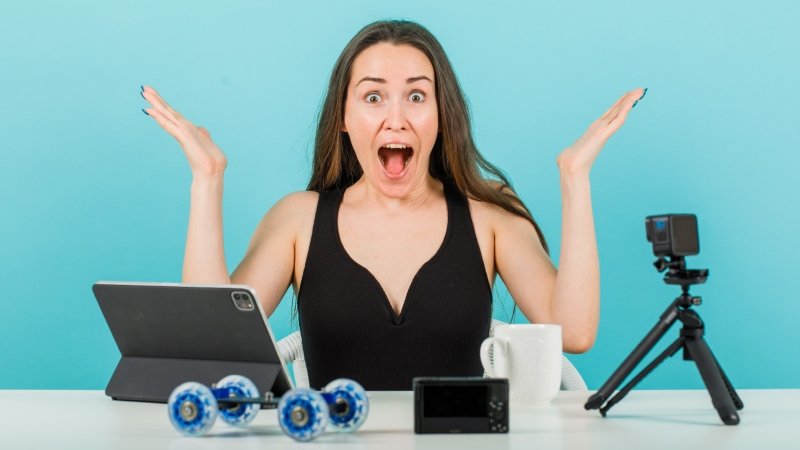
Social media influencers are today’s digital celebrities. They shape trends, sell products, and influence opinions with a single post. Millions watch their every move. But fame on the internet comes fast—and it can fall apart just as quickly.
Influencers Gone Wild describes moments when online stars lose control. It can happen through scandals, reckless behavior, or bad decisions shared publicly. These moments often explode across the internet, damaging careers overnight.
From wild parties and offensive posts to scams and public breakdowns, audiences have seen many influencers crash hard. This article explores why influencers spiral, what it says about online fame, and how the digital world rewards chaos more than responsibility.
The Rise of Influencers: A New Type of Celebrity
Influencers are a product of the modern internet. Anyone with a phone, personality, and timing can become famous. Platforms like Tiktok, Instagram, YouTube, and X have made fame more accessible than ever.
Unlike movie stars or musicians, influencers grow by seeming real. Fans feel close to them. They follow their daily lives, struggles, and opinions. That emotional bond is powerful but fragile. When influencers make mistakes, fans feel betrayed. Backlash comes quickly and often brutally.
When Fame Turns Into Chaos
Many influencers start with simple, relatable content. Over time, pressure builds. Views drop. Engagement slows. To stay relevant, some take bigger risks or push boundaries too far. Here are the most common ways influencers go off the rails.
1. Wild Party Lifestyles
Luxury parties are a common theme in influencer culture. Designer clothes. Private villas. Endless alcohol. But behind the glamour, things often turn reckless. Illegal substances, noise complaints, unsafe behavior, and broken laws are not uncommon.
Jake Paul is a well-known example. His parties during COVID lockdowns sparked outrage. Legal issues followed. While the attention boosted views, it also damaged his reputation.
2. Offensive or Tone-Deaf Content
Some influencers post without thinking. Others chase shock value. The result is often offensive or insensitive content. Ariana Renee (@they_luv_ari) faced backlash after posting racially insensitive jokes on Tiktok. Fans felt disappointed, especially because many young people looked up to her. What makes things worse is refusal to accept criticism. When influencers dismiss concerns as hate, the situation usually escalates.
3. Scams and Questionable Promotions
Influencers make money through sponsorships and promotions. But some promote products they don’t understand or don’t care to check. Fake giveaways, poor-quality merchandise, and shady investments have all been pushed by big names.
In 2021, Charli D’Amelio received criticism for promoting a cryptocurrency later linked to a pump-and-dump scheme. Even though she denied intent, followers questioned her responsibility.
4. Public Breakdowns and Online Feuds
Drama gets clicks. Influencers know this. Breakups, arguments, and emotional livestreams often turn into content. Tana Mangeao has built much of her brand around chaos. Emotional rants, public fights, and breakdowns are common in her online presence. Some fans relate. Others see it as attention-seeking.
When personal struggles become public entertainment, the line between real pain and performance disappears.
The Mental Pressure Behind Online Fame
It’s easy to judge influencers. But constant exposure takes a serious mental toll. They are always watched. Always judged. Always expected to perform. Many experience anxiety, burnout, depression, and identity loss. Their private life becomes public property. Praise can turn into hate overnight. Instagram vs. Reality is not just a joke. It’s a daily struggle for people living inside an image they created and can’t escape.
Cancel Culture: Accountability or Destruction?
Cancel culture often follows influencer scandals. Sometimes it brings real accountability. Other times, it becomes a digital mob. Creators like James Charles, Shane Dawson, and David Dobrik faced massive backlash for serious allegations. Some returned after apologies and changes. Others disappeared.
The problem is inconsistency. Forgiveness often depends on fan loyalty, not the seriousness of the wrongdoing.
Clout Chasing and the Addiction to Virality
Many influencer crashes are fueled by clout chasing. Viral attention is addictive. Once someone tastes it, they may do anything to keep it. Fake relationships. Dangerous stunts. Manufactured drama.
Gabbie Hanna’ decline showed how quickly this can turn dark. Her erratic behavior and conspiracy-driven livestreams alarmed fans. What started as entertainment became a mental health concern.
Redemption and Reinvention
Not every influencer downfall ends badly. Some learn. Some change. True redemption requires honesty, accountability, and time. Emma Chamberlain stepped away to focus on mental health.
She returned calmer and more self-aware. Logan Paul rebuilt his image after major backlash by shifting his content and taking responsibility though skepticism remains.
Platform Responsibility
Social media platforms play a major role. Algorithms push shocking content because it keeps users engaged. Controversy equals profit. Creators suffer the consequences. Platforms collect the views.
While moderation policies and mental health tools exist, critics say they don’t go far enough. Many believe platforms must build more ethical systems that protect both creators and audiences.
The Future of Influencing
As influencer culture matures, change is inevitable. Possible shifts include:
-
Education on fame, finances, and mental health
-
Stronger management teams
-
Greater transparency in ads and sponsorships
Influencing will continue to grow. But survival will depend on responsibility not chaos.
Final Thoughts
Influencers Gone Wild is not just drama. It reflects society’s obsession with attention and fame. It shows the pressure of living online and the cost of constant visibility. Behind the filters and brand deals are real people. Flawed. Vulnerable. Human.
The future depends on balance creators acting responsibly, audiences holding them accountable without cruelty, and platforms putting ethics before engagement. Online fame is not a game. It has real consequences.
For any suggestion, or changes, please contact us, the Influence Gone Wild team.